
High voltage switchboards, 11kV ring main units and substation works for industrial, mining and utility-grade commercial sites. Delivered with RPEQ-certified engineering to AS/NZS 2067.
Initial project reviews returned within one business day.
When you may need it
HV conversations usually start when LV runs out: a supply authority limit, a major expansion or HV assets on site that nobody owns, raised by engineers, project managers and asset owners.
Direct answer
An HV switchboard distributes power at high voltage, typically 11kV in Queensland, before transformers step it down to low voltage for site use. HV infrastructure includes ring main units (RMUs), transformers, kiosk and chamber substations and the protection systems around them.
HV works can include RMU installation and replacement, substation establishment, transformer works, HV switching and isolation, protection coordination and the RPEQ-certified engineering that HV requires under AS/NZS 2067.
Commercial Switchboards delivers HV projects end to end, from engineering coordination and authority requirements through installation, testing and energisation. Where the HV work feeds LV main switchboards, both sides are delivered under one contractor.
Every set of HV switchboards and substations we deliver is built and tested to AS/NZS 61439 and the relevant high-voltage standards, giving asset owners verified ratings and a documented HV switchboards handover pack.
The real risk
At 11kV, mistakes are not rework, they are incidents. HV work runs on engineering certification, switching programs, access permits and tested protection. The contractors who treat HV like oversized LV are the reason those standards exist.
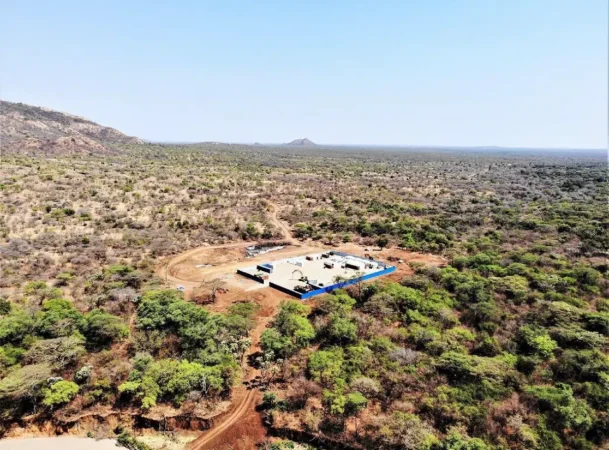
Remote HV and power infrastructure delivery, central Africa
Scope
Grouped by stage so engineers, project managers and asset owners can see exactly what we manage. HV documentation is non-negotiable, and the handover pack reflects that.
01
RPEQ-certified design coordination – AS/NZS 2067 compliance – Protection studies and settings – Supply authority HV requirements
02
11kV ring main unit supply and installation – RMU replacement and relocation – HV switchgear selection and procurement – Cable terminations and joints coordinated
03
Kiosk and chamber substation establishment – Transformer installation and replacement – Earthing system design and testing – Civil works coordination
04
Switching programs and access permits – HV isolation for site and contractor works – Testing and commissioning – Certified energisation
05
Test results and certification – Single line diagrams and as-builts – Asset register documentation – Maintenance planning for HV assets
Cost factors
HV project costs vary more than any other switchboard work, so pricing is confirmed after the engineering scope is set. These are the drivers.
Replacing an RMU is one project. Establishing a new substation with authority augmentation is another order of magnitude.
Protection studies, earthing design and RPEQ certification scale with the complexity of the network they protect.
Energex and Ergon HV connection processes carry their own fees, studies and timeframes.
Kiosk pads, trenching, conduits and HV cable routes are often half the project.
Works around live HV assets need switching programs, permits and tighter windows than greenfield installs.
Regional and mine sites add mobilisation, transportable switchrooms and logistics.
Our approach
Detailed plant assessments, protection studies and engineering reports are scoped separately depending on project requirements.
DELIVERY PROCESS
From engineering scope through procurement, switching and energisation, we manage the moving parts so the project is not coordinating engineers, authorities and trades itself.
Related pages
If the HV project connects to LV boards, metering or a specific site type, these pages may help.
Related services
Why us
Backed by 10 years of practical switchboard depth: 6 years building and commissioning LV, MV and HV switchboards on the iPower factory floor, 3 years underground at Lady Loretta running 11kV substations and live HV switching, and end-to-end delivery of a remote open-cut gold mine in central Africa.
A site typically moves to HV when LV demand approaches supply authority limits, generally in the 800A to 1600A range, or when a new development needs more capacity than the LV network can deliver. Large industrial plants, major commercial buildings, data centres and mining operations commonly run their own 11kV infrastructure. The supply authority usually makes the call, and a load study confirms it before anything is committed.
A ring main unit (RMU) is compact HV switchgear that connects a site transformer into the 11kV network, providing switching, isolation and protection in one assembly. RMUs sit at the boundary between the network and the site, and replacing or relocating them requires authority coordination, switching programs and certified energisation.
HV costs vary more than any other switchboard work, from RMU replacements through to full substation establishment, so honest numbers only come after the engineering scope is set. The drivers are connection scope, engineering depth, authority fees, civil works and site access. Pricing is confirmed after an initial project review and engineering scope, before any works proceed.
RPEQ-certified engineering is coordinated as part of every HV project that requires it, which under AS/NZS 2067 is effectively all of them. Protection studies, earthing design and certified design documentation are delivered through RPEQ-registered electrical engineers as part of the project scope.
HV installations follow AS/NZS 2067 (substations and high voltage installations), with the LV side to AS/NZS 3000 and switchboard assemblies to AS/NZS 61439. Supply authority requirements from Energex or Ergon apply to the connection, metering and switching interfaces. Certification and test documentation form part of every handover.
Yes. Orphaned HV assets are common on older industrial and commercial sites. The asset is inspected, tested and documented, defects are staged for rectification and the asset goes onto a maintenance schedule with the records your insurer and asset register need.
Yes. Switching programs, access permits and HV isolations are delivered for our own works and to support other contractors and site shutdowns. Live HV switching experience comes from three years of underground 11kV operations, where switching discipline is not optional.
Yes. Transportable switchrooms, mine site infrastructure and remote delivery are part of the background, including end-to-end electrical delivery of a remote open-cut gold mine in central Africa. Mobilisation, logistics and staged delivery are planned into the project from the start.
Longer than anyone wants: HV connections run on authority and engineering timeframes, typically months rather than weeks, driven by network studies, approvals and equipment lead times. The program is managed so engineering, procurement and civil works run in parallel wherever the process allows.
Yes. Connection applications, network requirements, metering interfaces and energisation coordination with Energex and Ergon are managed as part of the project, alongside the RPEQ engineering the authority process requires.
No. Commercial Switchboards delivers commercial and industrial work only. HV work in particular is industrial, mining and major commercial territory, and that is where this business lives.
Handover includes certification, test results, single line diagrams and as-built documentation, plus asset register records for the HV plant. Ongoing maintenance schedules for RMUs, transformers and protection systems are available so the asset never becomes orphaned again.
Send through drawings, authority correspondence and what the site needs. We review the details and confirm the right path within one business day.