QUICK ANSWER
Switchboard form ratings (Form 1 to Form 4) describe how far the inside of a switchboard is internally segregated, separating busbars, functional units and terminals. Higher forms allow parts of the board to be worked on safely while the rest stays live. The right form depends on the site, the load and how the board needs to be maintained, and is specified as part of the switchboard design to AS/NZS 61439.
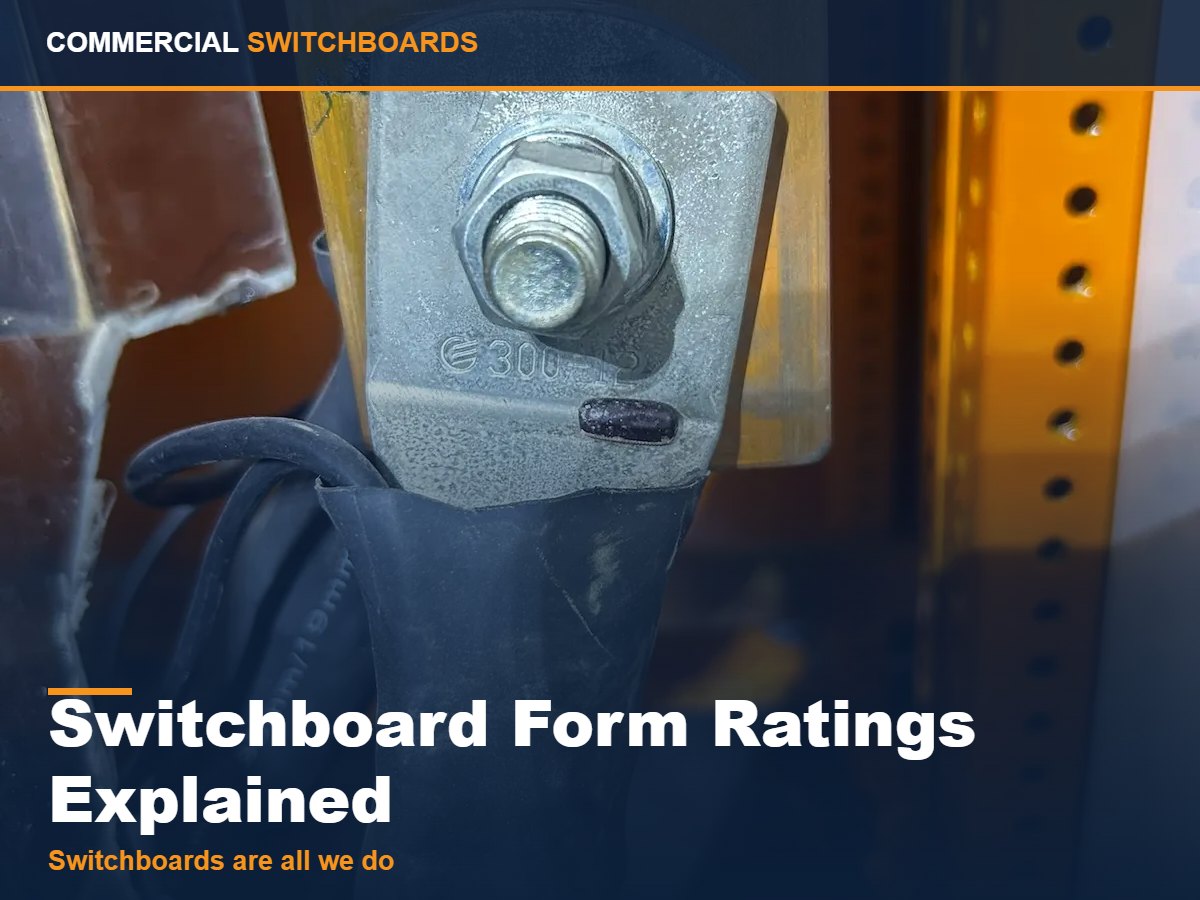
When you specify or compare commercial switchboards, one term that decides both safety and price is the form rating. Switchboard form ratings define how the inside of the board is separated into compartments, which controls how safely it can be worked on while live. Get the form right and maintenance is safer and the board keeps running; get it wrong and you either overspend or compromise safety. This guide explains switchboard form ratings in plain English.
What are switchboard form ratings?
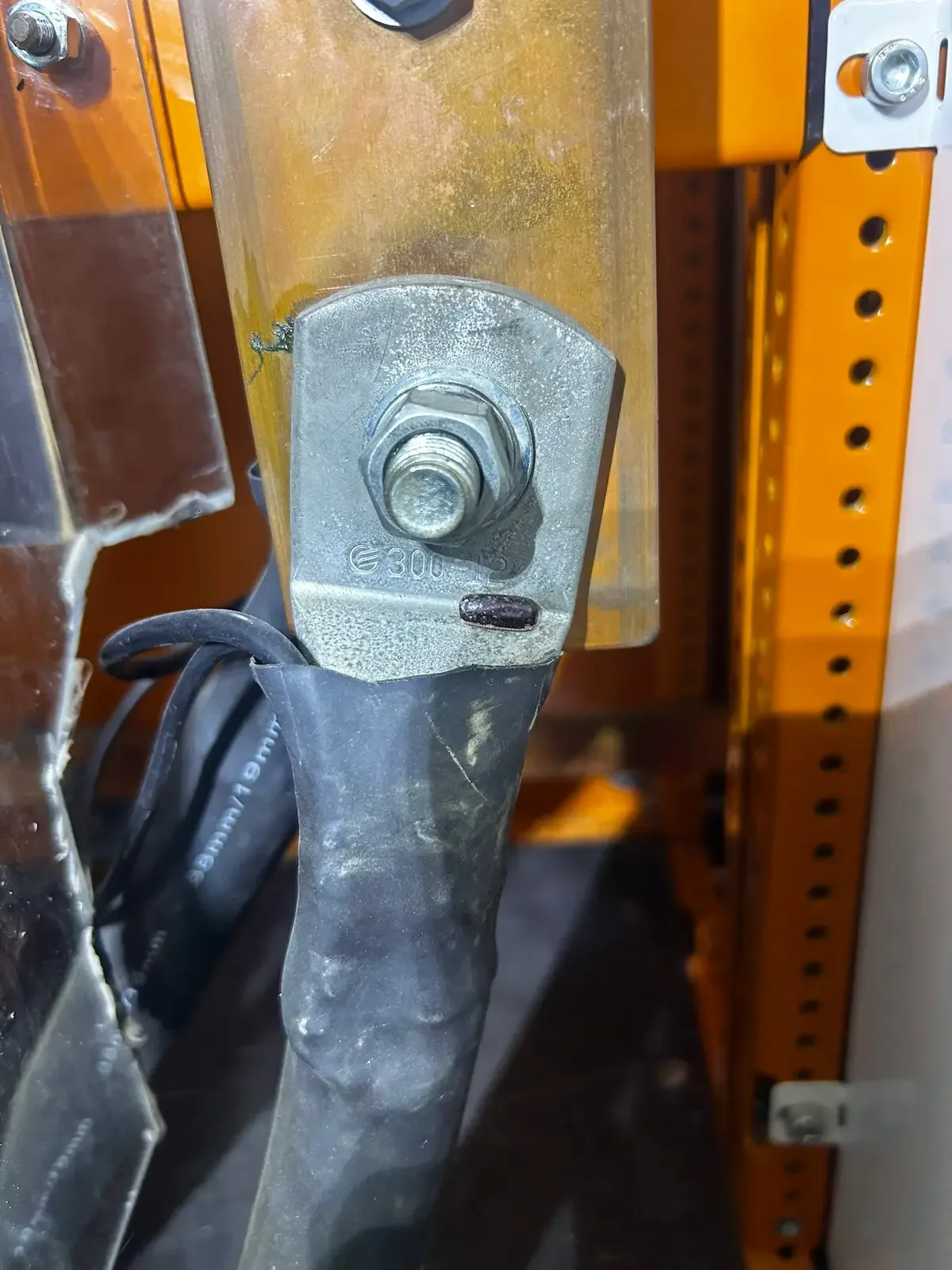
Switchboard form ratings, defined under AS/NZS 61439, describe the degree of internal separation inside a switchboard. They set out how the busbars, the functional units (the individual circuits and devices) and the terminals are segregated from each other. The higher the form, the more the board is divided into separate compartments, which limits the spread of a fault and allows safer access to one part while the rest stays energised.
Form 1 to Form 4 explained
| Form | Segregation |
|---|---|
| Form 1 | No internal separation. Everything in one space. |
| Form 2 | Busbars separated from the functional units. |
| Form 3 | Busbars separated, and functional units separated from each other. |
| Form 4 | Busbars, functional units and their terminals all separated. The highest segregation. |
Forms 2, 3 and 4 also have sub-forms (a and b) depending on how the terminals are segregated. A specialist confirms the exact form and sub-form needed during the switchboard design.
Which switchboard form rating do you need?
- Small, simple boards may only need a lower form
- Boards that must be maintained live need higher segregation
- Critical sites that cannot afford full shutdowns favour Form 3b or 4
- Industrial and process boards often specify higher forms for safety and uptime
- The right form balances safety, maintainability and cost
Why form rating affects safety and uptime
The practical benefit of a higher form is that a technician can work on one functional unit, or isolate a fault, without exposing themselves to live busbars or shutting the whole board down. On a site that cannot afford to go dark, that segregation is the difference between a controlled maintenance task and a full outage. It also limits how far a fault can spread inside the board.
Form ratings and your switchboard project
Why use a switchboard specialist
Choosing the right switchboard form rating takes real switchboard engineering: weighing the load, the maintenance strategy, fault levels and budget against AS/NZS 61439. Because switchboards are all we do, we specify and build the correct form for the site, whether it is a straightforward board or a high-segregation industrial switchboard, and keep it maintained under a planned maintenance program.
Switchboard form ratings: frequently asked questions
What are switchboard form ratings?
They describe how far the inside of a switchboard is segregated, separating busbars, functional units and terminals, under AS/NZS 61439. Higher forms mean more internal separation.
What is the difference between Form 1 and Form 4?
Form 1 has no internal separation; Form 4 separates the busbars, functional units and terminals, allowing the safest maintenance and best fault containment.
Which form rating do I need?
It depends on the site, load and how the board must be maintained. Boards that need to be worked on while live favour higher forms like 3b or 4.
Do higher form ratings cost more?
Yes. More internal segregation means more material and labour, so the form should be matched to the actual maintenance and safety needs.
Can a form rating be upgraded later?
It is a design decision made up front. Increasing segregation later usually means rebuilding the board, so it is best specified correctly at the start.
Who decides the switchboard form rating?
A specialist switchboard contractor, during the design, balancing safety, maintainability and cost against AS/NZS 61439.
Related guides
Standards and references
About the author
Anthony Nuich is the owner of Commercial Switchboards, the specialist switchboard division of SEQ Sparky Pty Ltd, holding QLD Electrical Contractor licence #90899. With 10+ years designing and building commercial and industrial switchboards to AS/NZS 61439 across Brisbane and Queensland, Anthony reviews every project personally.
If you need help specifying the right switchboard form rating for a project, request an initial project review.