QUICK ANSWER
An arc flash is an explosive release of energy when a fault arcs across a switchboard, producing extreme heat, pressure and light that can seriously injure anyone nearby. Arc flash safety on commercial switchboards means reducing the risk through good board design, internal segregation, safe switching procedures and the correct PPE, plus an arc flash risk assessment for sites where live work is unavoidable.
Of all the hazards around a commercial switchboard, an arc flash is the one that injures people most seriously. It happens in a fraction of a second, releasing temperatures hotter than the surface of the sun. For facility managers and site safety officers, arc flash safety is a genuine duty-of-care issue, not a technicality. This guide explains what an arc flash is, why switchboards are the main risk, and how the right design, procedures and PPE keep people safe.
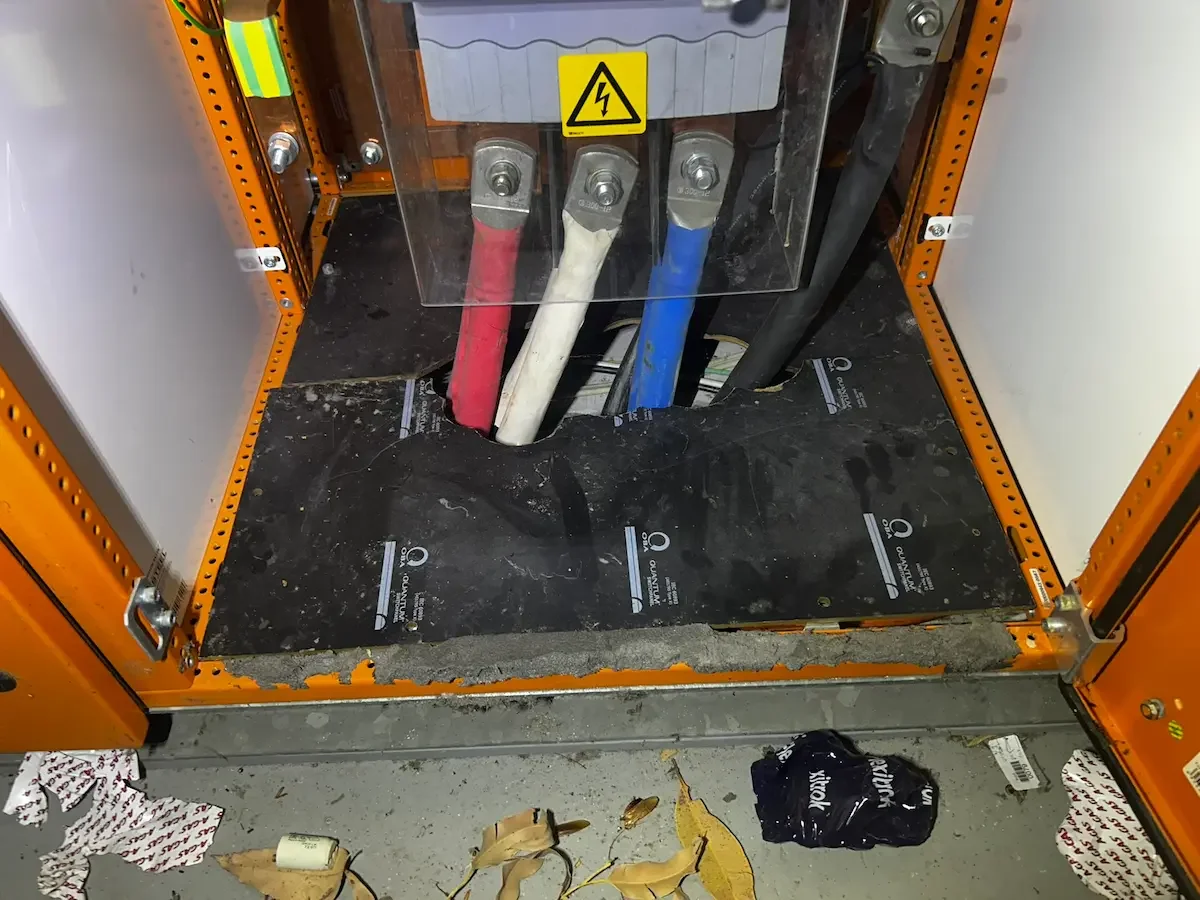
What is an arc flash?
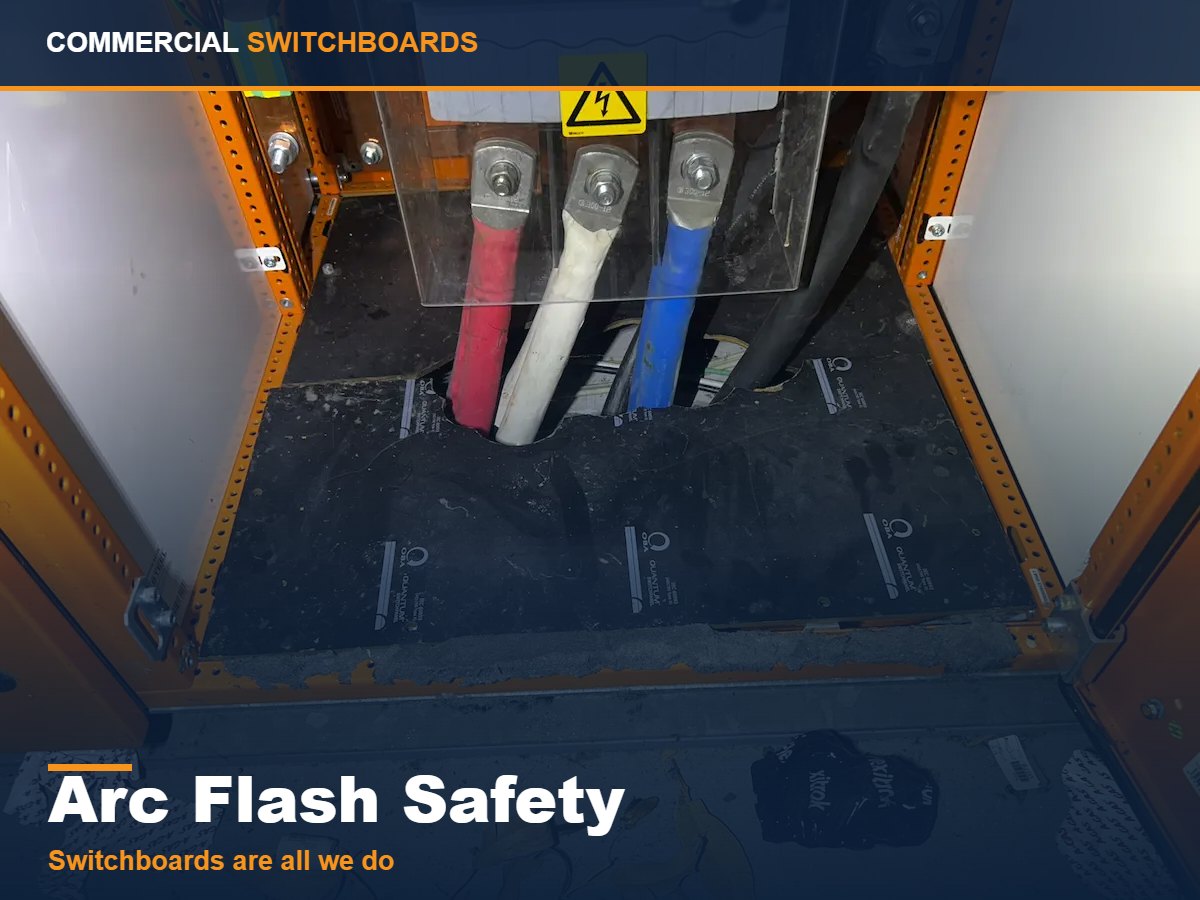
An arc flash is an electrical explosion that occurs when current jumps, or arcs, across a gap between conductors in a switchboard, usually due to a fault, equipment failure or a mistake during live work. The arc releases enormous energy as heat, blinding light, a pressure blast and molten metal. Anyone in front of the board can suffer severe burns and injuries. An arc flash is a leading cause of serious electrical injury on commercial and industrial sites.
Why switchboards are the main arc flash risk
- They concentrate high fault energy in one place
- Live work, like testing or fault finding, brings people close to energised parts
- Ageing or poorly maintained boards are more likely to fault
- Loose connections and contamination raise the risk of an arc
- Boards with low internal segregation let a fault spread
How to reduce arc flash risk
| Control | How it helps |
|---|---|
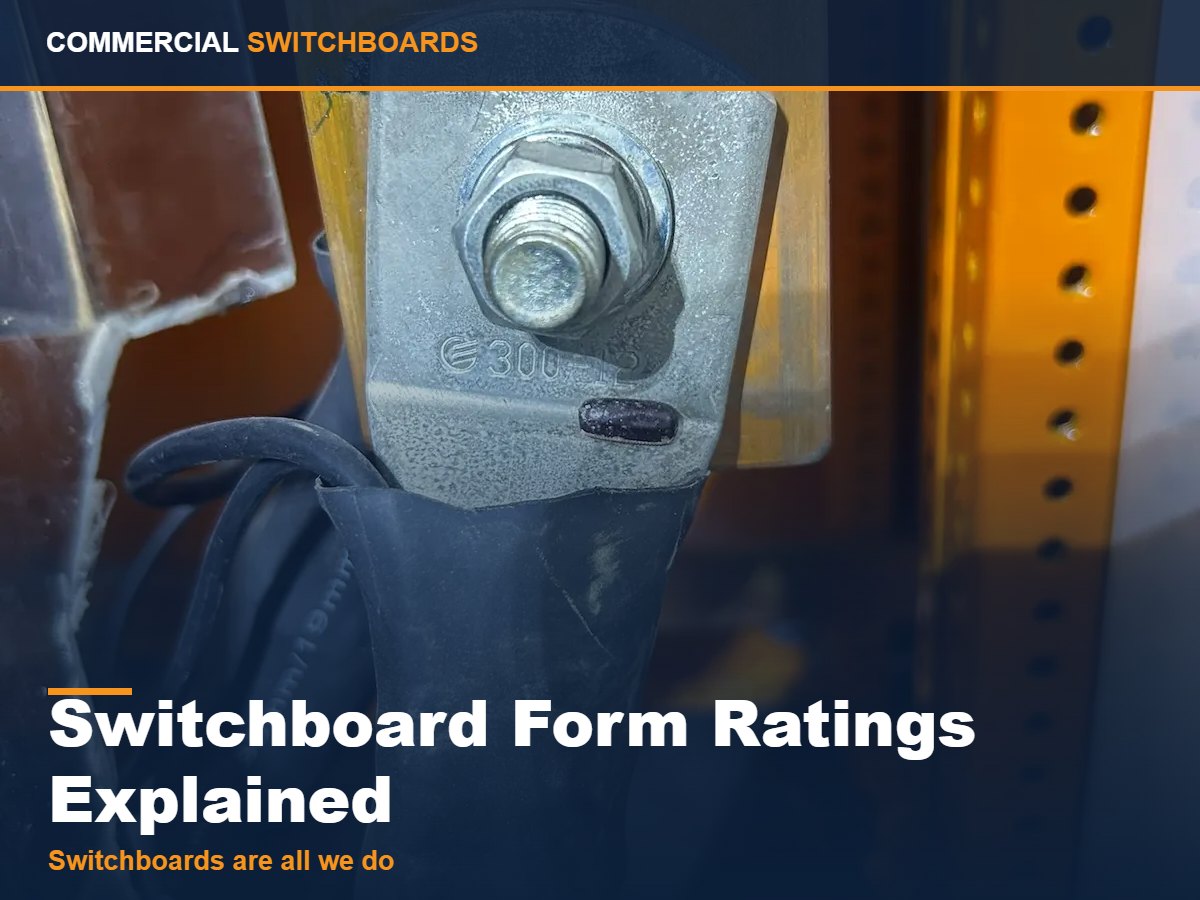
| Board design and segregation | Higher form ratings contain a fault and limit exposure |
| De-energise before work | Removing the source removes most of the risk |
| Safe switching procedures | Documented isolation and lockout reduce mistakes |
| Arc flash risk assessment | Quantifies the energy and the PPE required |
| Correct arc-rated PPE | Protects the worker when live work is unavoidable |
Arc flash risk assessment
Where live work cannot be avoided, an arc flash risk assessment calculates the potential incident energy at the board and sets the safe working distance and the arc-rated PPE category required. This is specialist work that feeds directly into how the board is labelled and how technicians work on it. It is a core part of electrical safety on larger commercial and industrial sites.
Design and maintenance reduce the risk
Where a board is old, poorly segregated or unsafe to maintain, a switchboard upgrade to a higher form rating with modern protection is one of the most effective arc flash safety improvements available.
Why use a switchboard specialist
Reducing arc flash risk takes proper switchboard engineering: segregation, protection coordination, fault containment and safe-work design to AS/NZS 61439. Because switchboards are all we do, we design and maintain boards that lower arc flash risk, and we work to documented procedures with the correct PPE on every job. For manufacturing and industrial sites, that depth matters.
Arc flash safety: frequently asked questions
What is an arc flash?
An arc flash is an explosive electrical fault that arcs across a switchboard, releasing extreme heat, light and pressure that can cause serious injury to anyone nearby.
How do you reduce arc flash risk on a switchboard?
Through board design and segregation, de-energising before work, safe switching procedures, an arc flash risk assessment, and correct arc-rated PPE.
What is an arc flash risk assessment?
It calculates the incident energy at the board, the safe working distance and the PPE category required for any unavoidable live work.
Does board design affect arc flash safety?
Yes. Higher form ratings and good segregation contain a fault and limit exposure, which is why design is the first line of defence.
Can maintenance reduce arc flash risk?
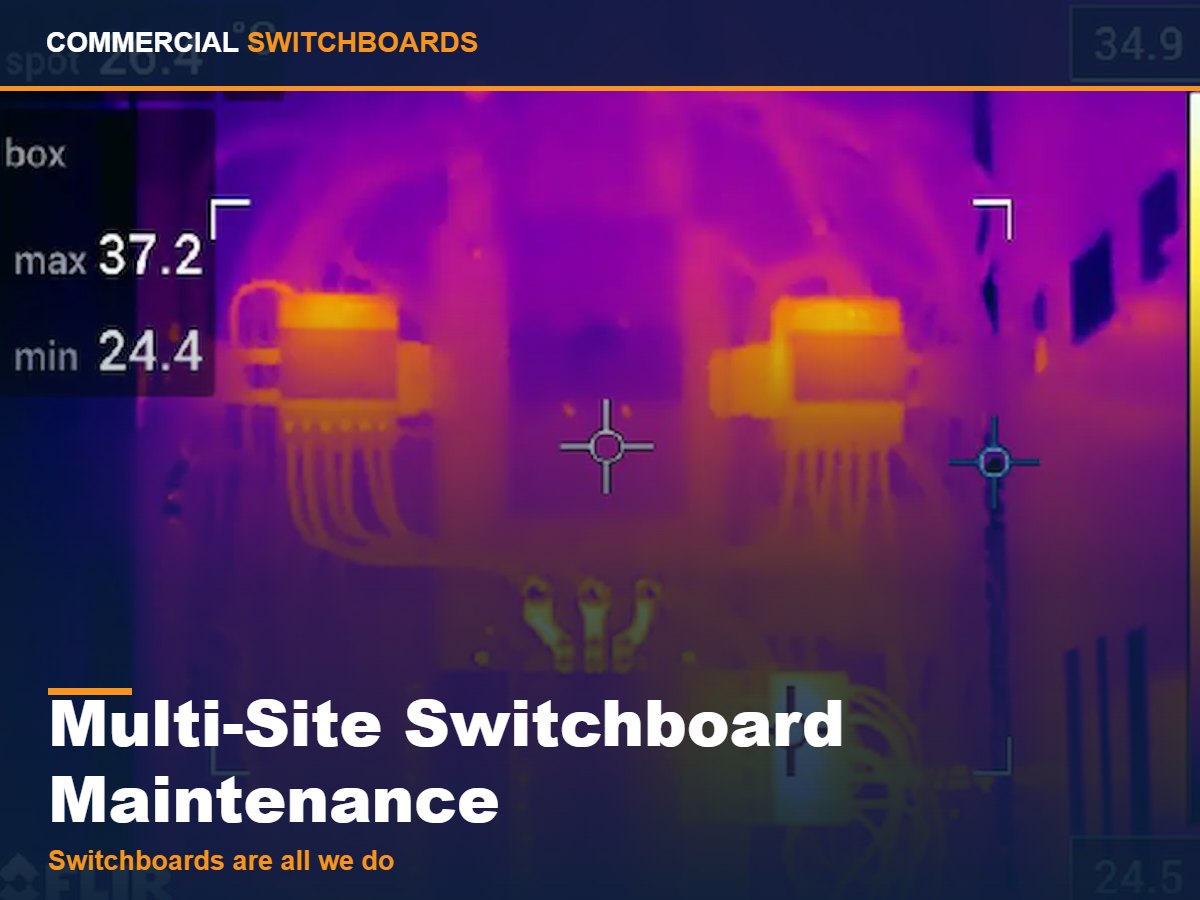
Yes. Planned maintenance and thermal imaging catch the loose connections and faults that cause arcs before they happen.
Who should assess arc flash risk?
A specialist switchboard contractor with the engineering knowledge to assess fault energy and design safe boards to AS/NZS 61439.
Related guides
- Safety switch rules for commercial switchboards
- Switchboard form ratings explained
- Manufacturing switchboards and MCCs
Standards and references
About the author
Anthony Nuich is the owner of Commercial Switchboards, the specialist switchboard division of SEQ Sparky Pty Ltd, holding QLD Electrical Contractor licence #90899. With 10+ years working on commercial, industrial and HV switchboards, including arc-flash-rated live work, Anthony reviews every project personally.
To improve arc flash safety on your switchboard through better design or maintenance, request an initial project review.