QUICK ANSWER
An HV switchboard is high voltage switchgear, above 1000V and typically 11kV or 33kV, that controls and protects the high voltage supply on large commercial, industrial and mining sites. It usually sits inside a substation and connects the network supply to the site transformers, which step the voltage down for the low voltage switchboards. HV work requires specialist licensing, arc-flash PPE and strict switching procedures.
For most buildings the main switchboard is the top of the electrical system. For large sites, mines and process plants, there is a layer above it: the high voltage supply, the substation and the HV switchboard. Get this layer wrong and you risk catastrophic faults, long outages and serious safety incidents. This guide explains what an HV switchboard and substation actually do, how they differ from low voltage gear, and why high voltage work is firmly specialist territory.
What is an HV switchboard?
An HV switchboard is the high voltage switchgear that receives, controls and protects the incoming high voltage supply on a site. High voltage in Australia means anything above 1000V AC, and on commercial and industrial sites that is usually 11kV or 33kV from the network. The HV switchboard contains the switching and protection that connects the supply to the site transformers, where the voltage is stepped down to the 400V/230V low voltage that the building switchboards distribute.
HV vs LV: what is the difference?
| Low voltage (LV) | High voltage (HV) | |
|---|---|---|
| Voltage | Up to 1000V (usually 400V/230V) | Above 1000V (usually 11kV or 33kV) |
| Where | Main and distribution boards | Substation, network supply |
| Equipment | Main switch, breakers, RCBOs | Ring main units, vacuum circuit breakers, relays |
| Who works on it | Licensed electrician | HV-qualified specialist with switching authority |
Where HV switchboards and substations are used
- Large commercial complexes, shopping centres and hospitals with high demand
- Manufacturing and process plants running heavy machinery
- Mining and resources sites, often with site-wide HV reticulation
- Any site where the network supplies at 11kV or 33kV rather than low voltage
What is inside an HV switchboard and substation?
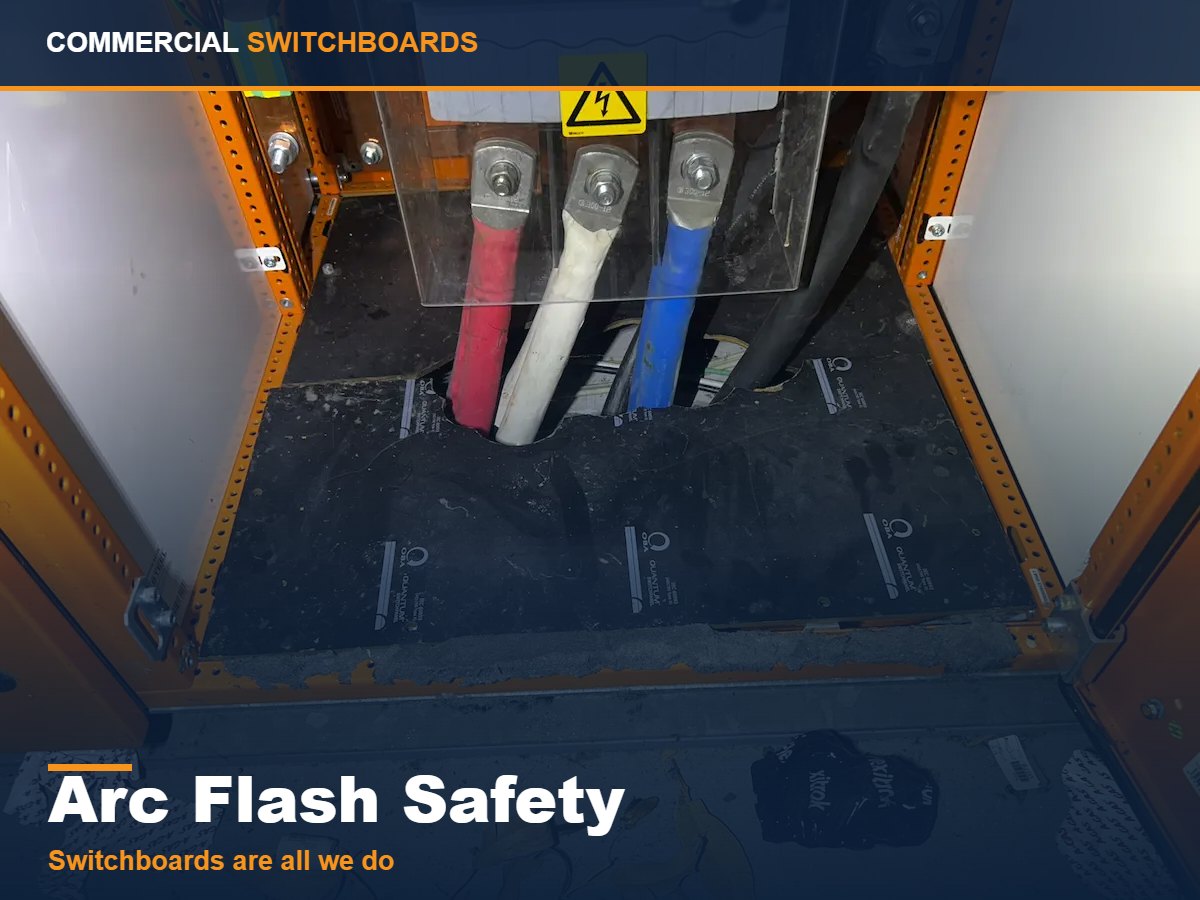
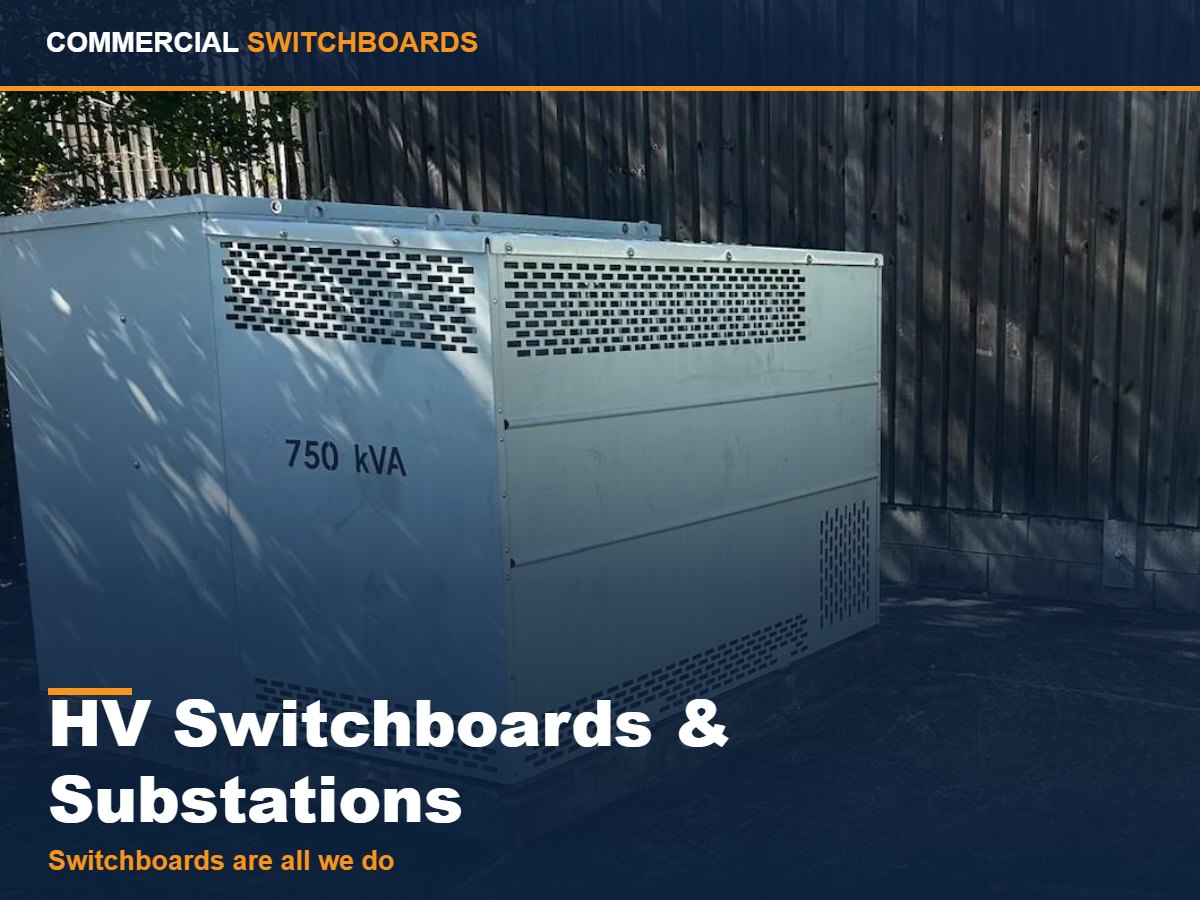
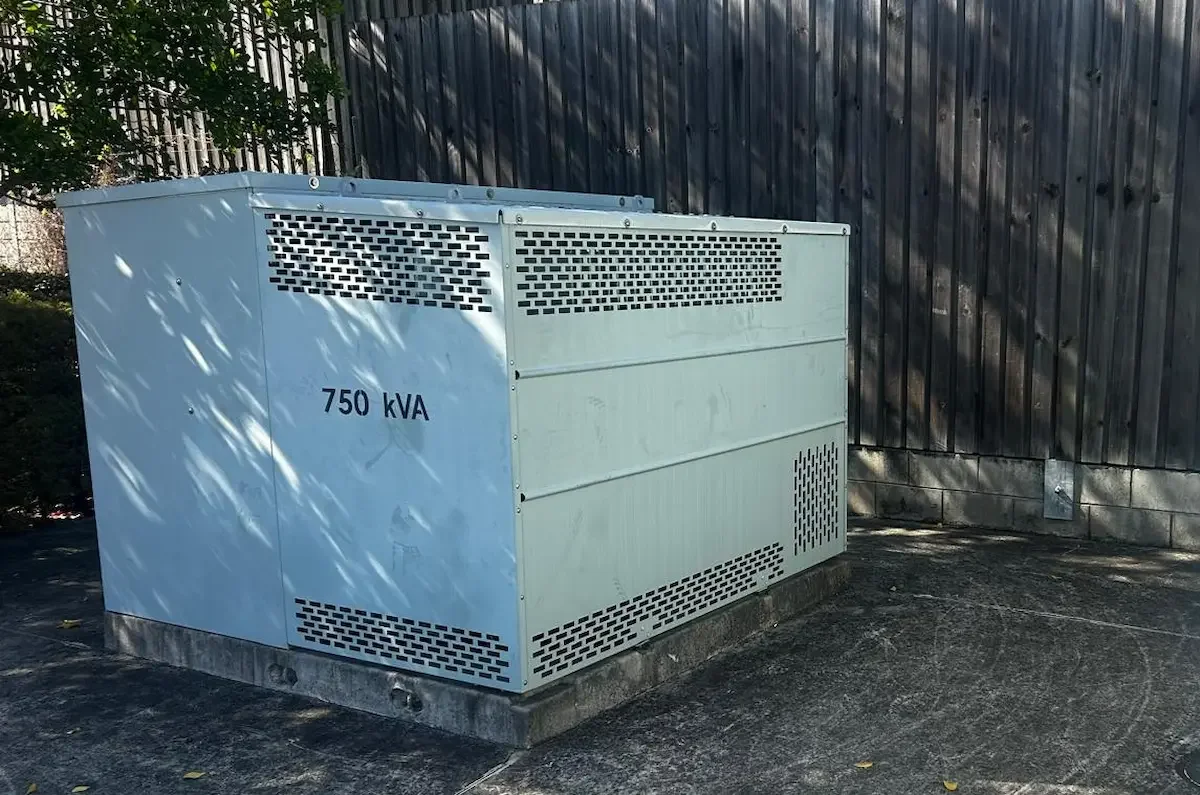
A typical HV installation includes a ring main unit (RMU) or HV switchboard with vacuum circuit breakers, protection relays that detect faults and trip the supply, HV cabling, and one or more transformers that step the voltage down. The substation houses this safely, with the segregation, earthing and arc-fault containment that high voltage demands. The low voltage side then feeds the main industrial switchboard or main switchboard.
Why HV work is specialist territory
Because of this, HV switchboards and substations are designed, built and maintained by specialists with genuine high voltage experience. The design must coordinate protection with the network, manage fault levels and meet AS/NZS 61439 for the assembly, alongside the network operator requirements from Energex.
HV switchboard maintenance
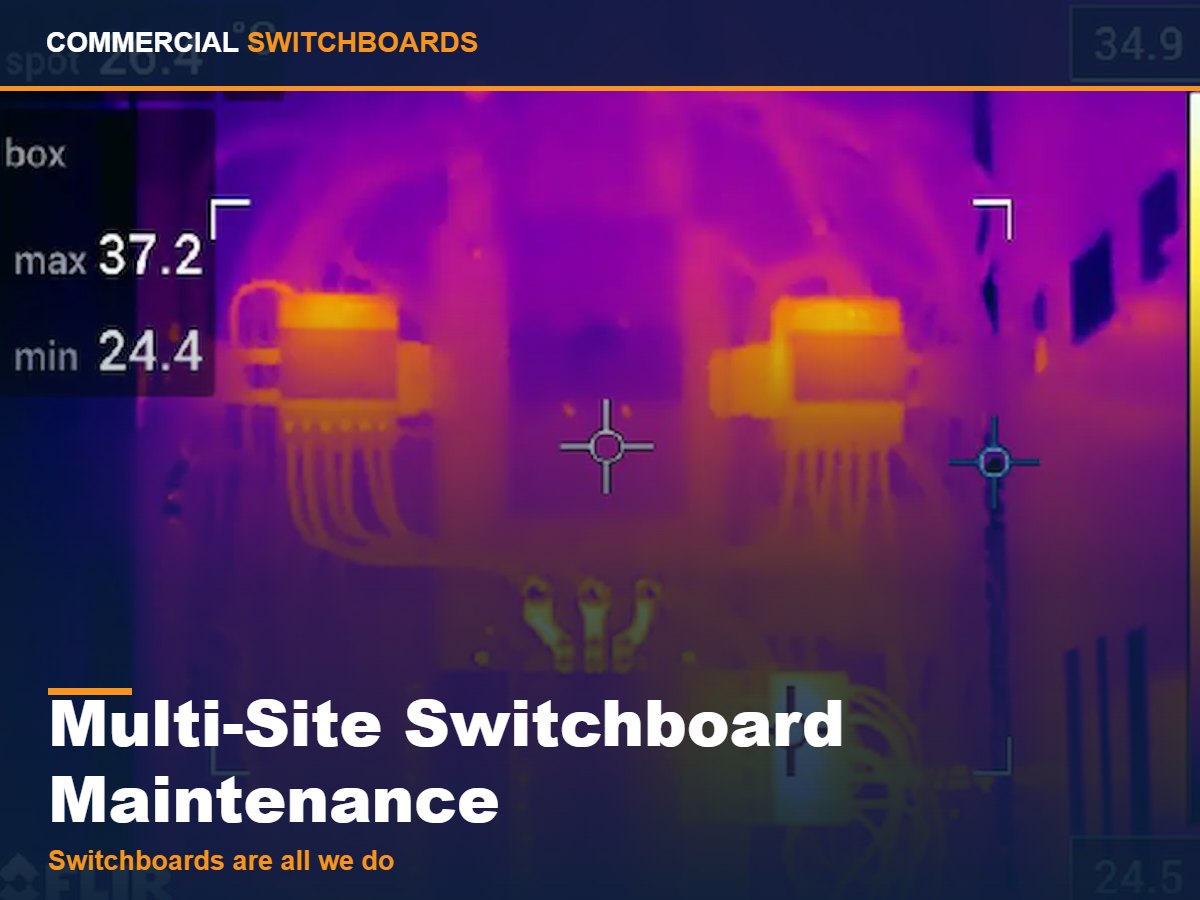
HV switchgear needs planned maintenance: protection relay testing, switchgear servicing, thermal imaging and oil or SF6 checks where applicable. Because an HV fault takes the whole site down, planned switchboard maintenance at this level is critical, not optional. Many sites combine HV maintenance with their LV board servicing under one program.
Why use a switchboard and HV specialist
HV work rewards real experience. We deliver HV switchboards and substations with HV switching to 11kV, arc-flash PPE, underground substation installation and ring main units, drawing on hands-on mining and industrial high voltage experience. For resources sites this ties directly into mining switchboard work, with FIFO and hazardous-area capability.
HV switchboards: frequently asked questions
What voltage is an HV switchboard?
High voltage in Australia is above 1000V AC. On commercial and industrial sites HV switchboards typically operate at 11kV or 33kV.
What is the difference between HV and LV switchboards?
An HV switchboard handles the high voltage network supply and feeds the transformers; an LV switchboard distributes the stepped-down low voltage power around the building.
What is inside a substation?
Typically an HV switchboard or ring main unit, protection relays, HV cabling and one or more transformers, all housed with the earthing and segregation HV requires.
Can a general electrician work on HV switchgear?
No. HV work requires high voltage qualifications, switching authority, the correct PPE and documented procedures. It is specialist work.
Do HV switchboards need maintenance?
Yes. Protection relay testing, switchgear servicing and thermal imaging are essential because an HV fault can take the entire site offline.
Who builds HV switchboards and substations?
A specialist contractor with genuine high voltage experience, working to AS/NZS 61439 and network operator requirements.
Related guides
Standards and references
About the author
Anthony Nuich is the owner of Commercial Switchboards, the specialist switchboard division of SEQ Sparky Pty Ltd, holding QLD Electrical Contractor licence #90899. With 10+ years of commercial, industrial and high voltage switchboard experience, including underground and open-cut mine HV work, Anthony reviews every project personally.
If your site has an HV switchboard or substation that needs upgrading, building or maintaining, request an initial project review and we will advise the next practical step.